Choose the best package tour and join the ultimate trip to explore the hidden gem of Laos.
Go wild, go slow, go smooth, go solo - an adventure is what you make of it.
The best places to visit in Laos and Indochina.

All trips can be tailored to your schedule, interests and budget.
Laos' stories and tips from our travel experts.
Find out what’s happening at Laos Travel Packages - from the latest travel blog to our special offers.
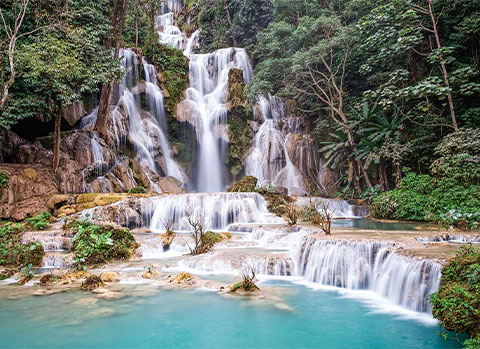
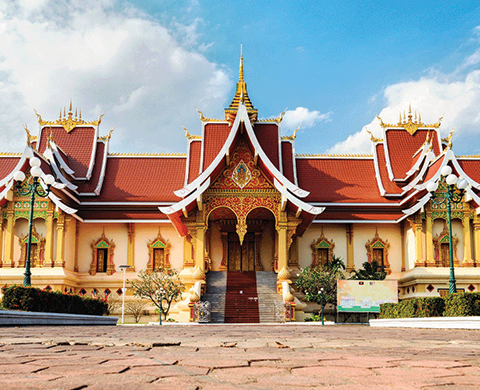
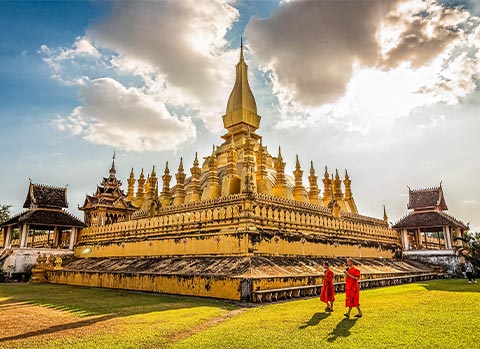
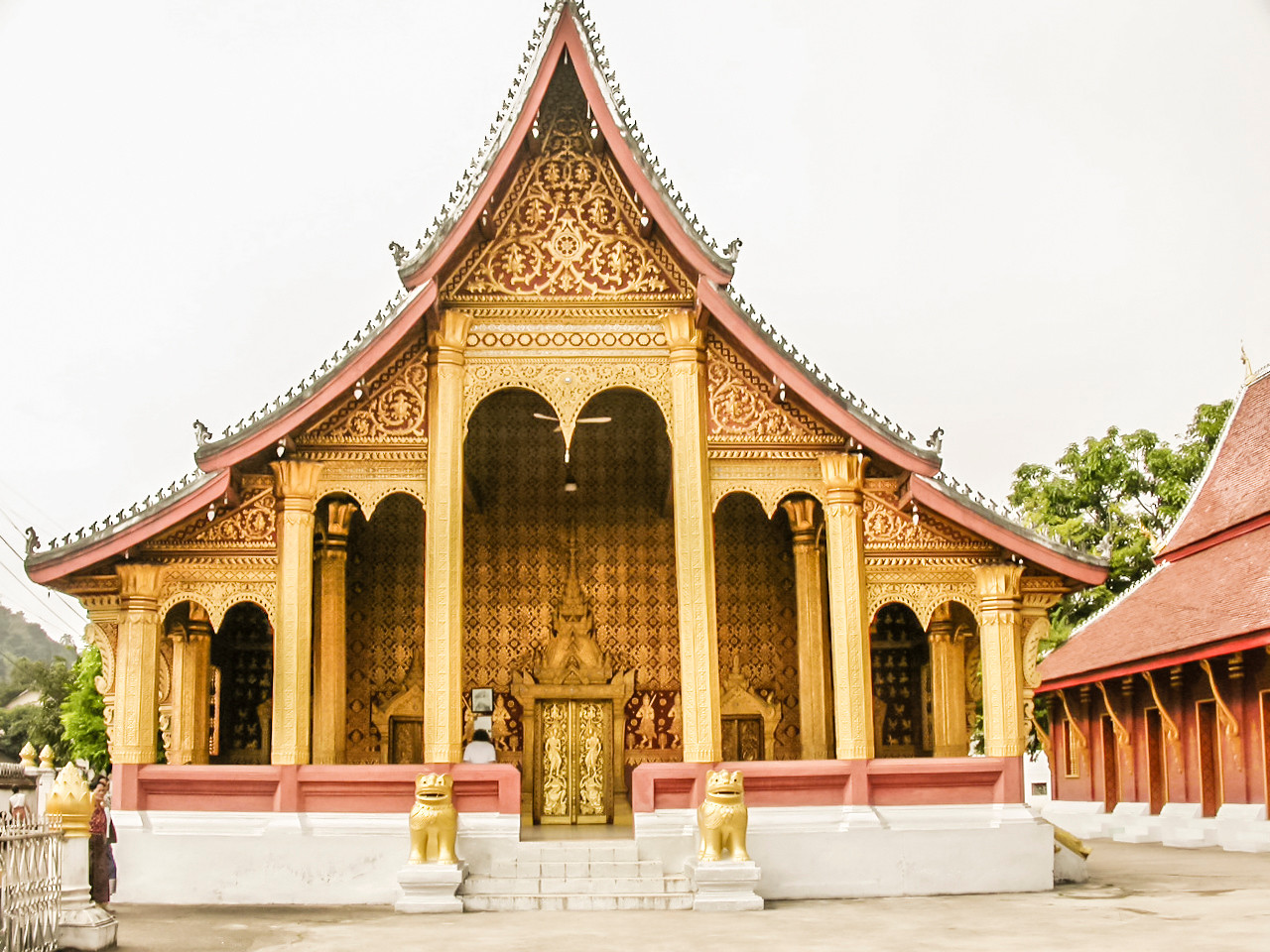
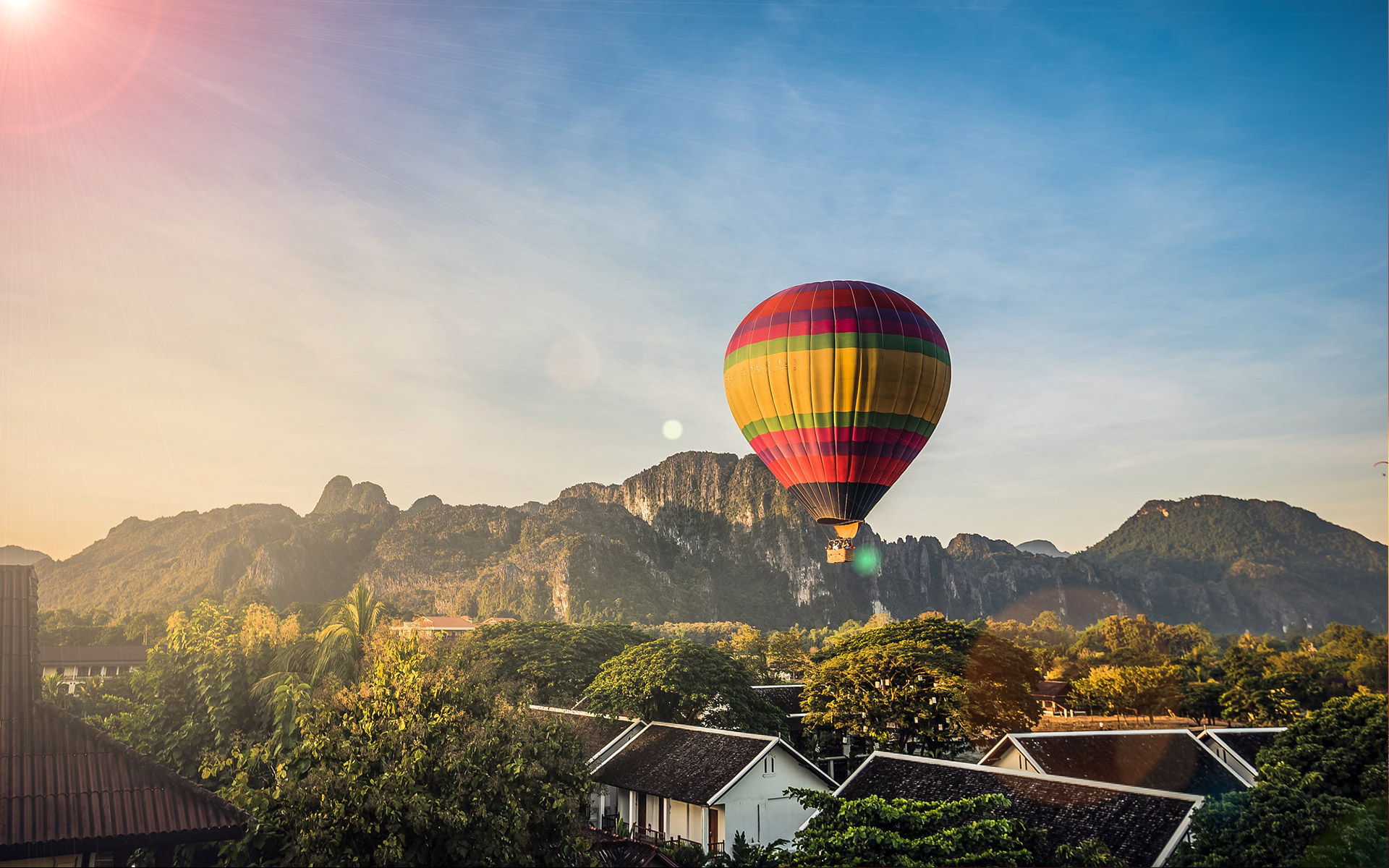
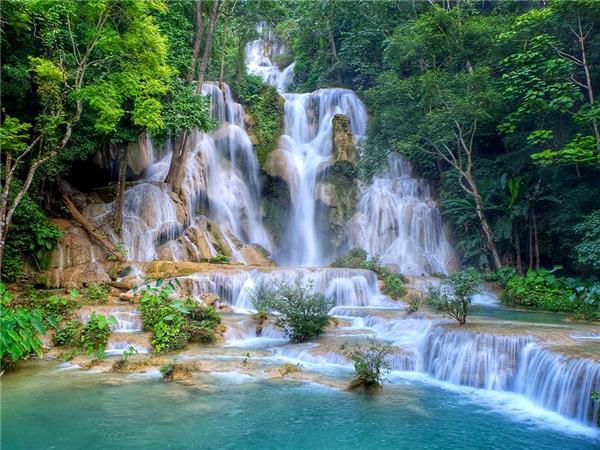
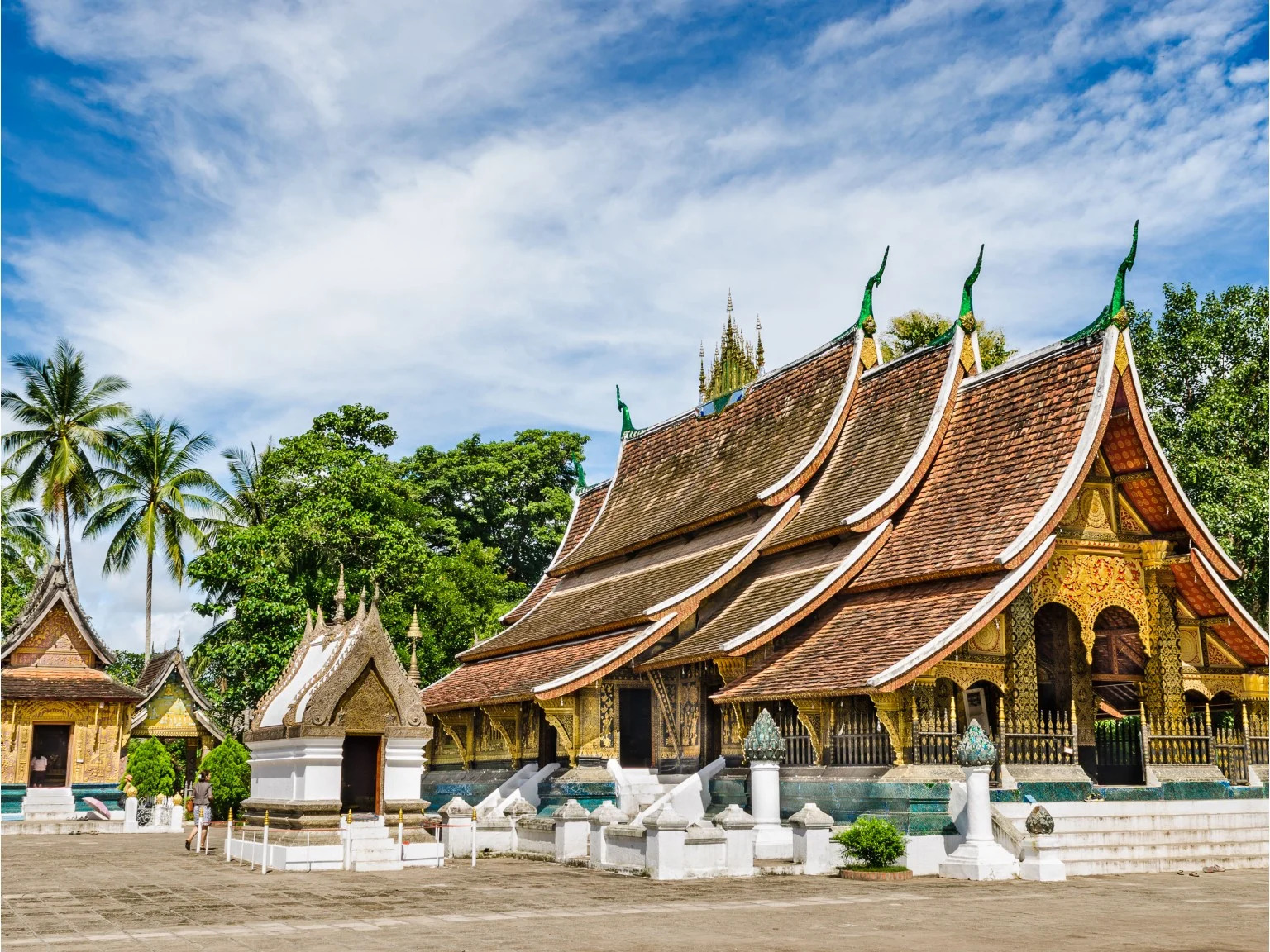
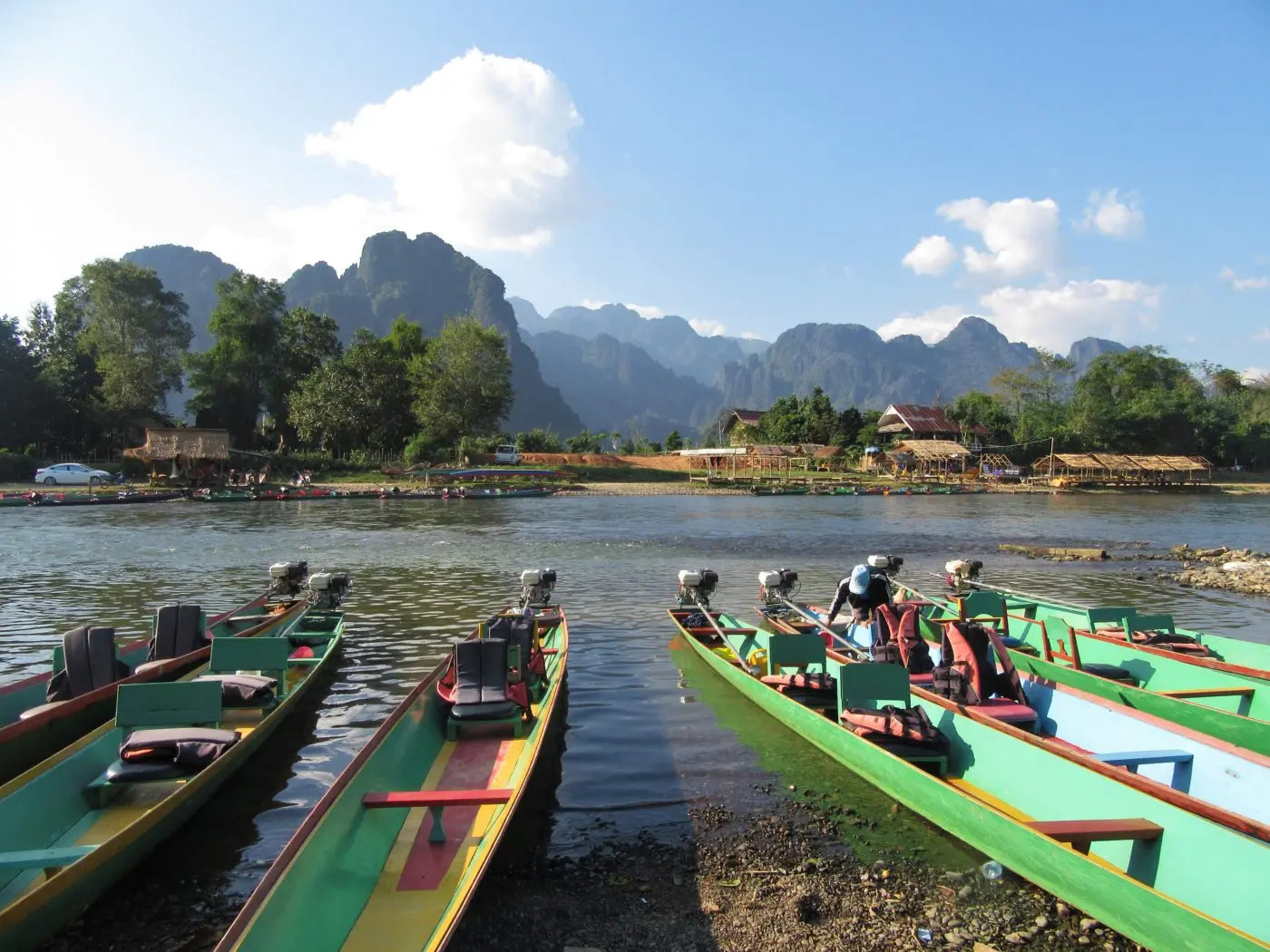
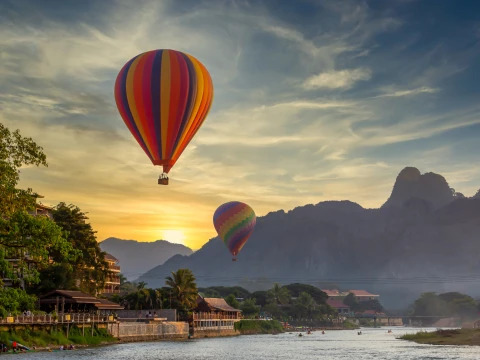
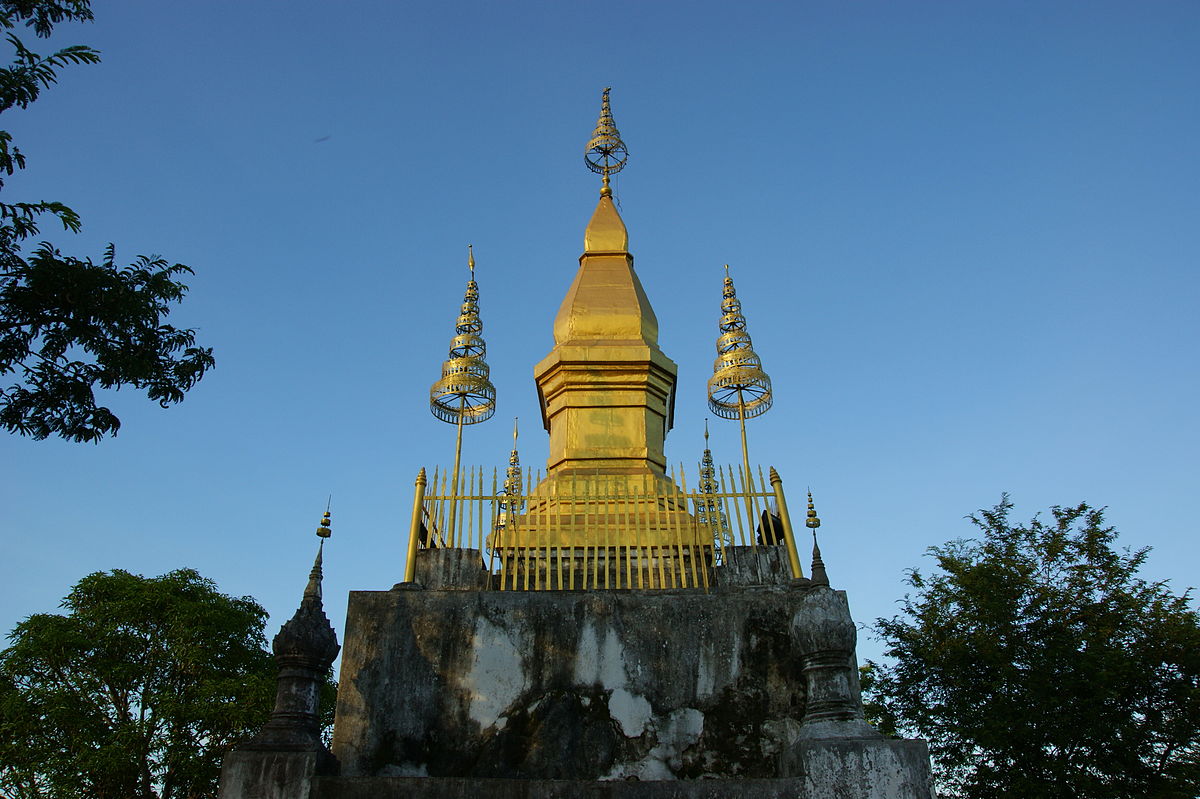
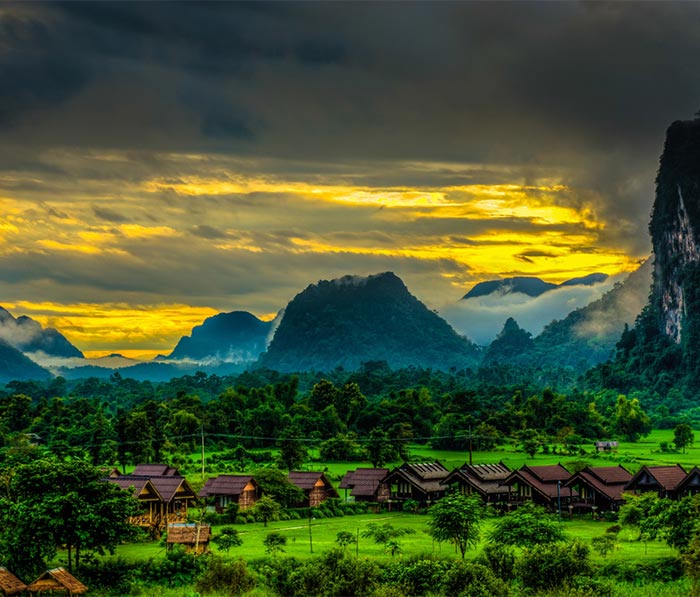
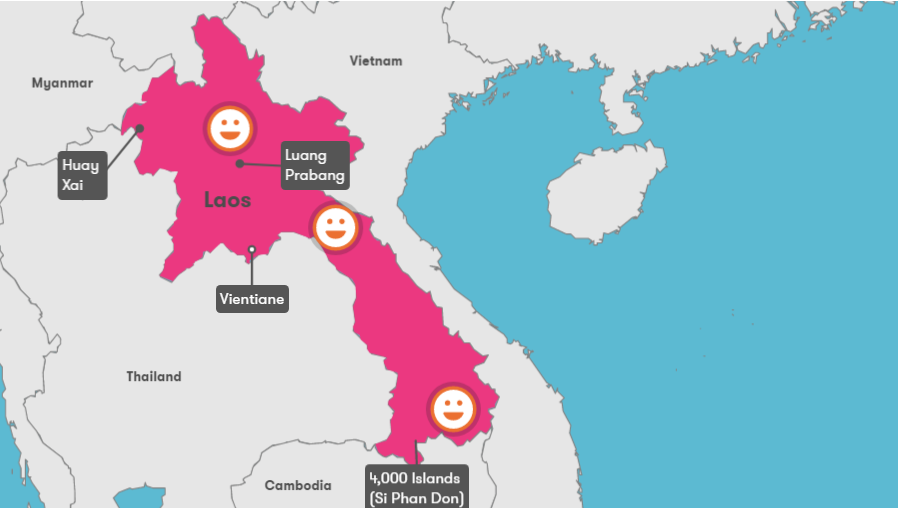
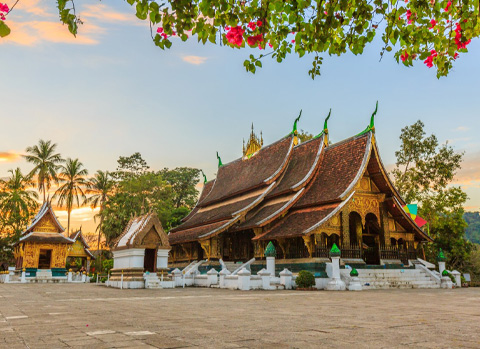
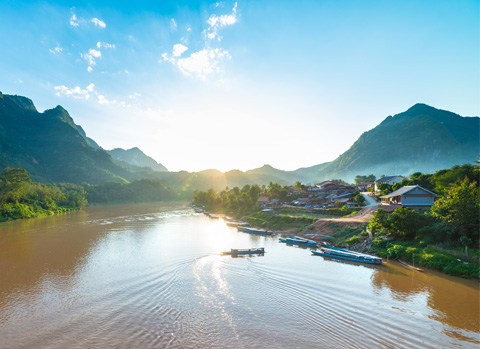
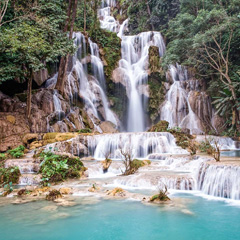
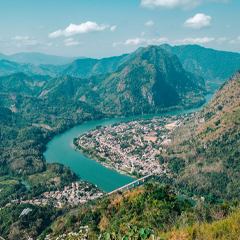
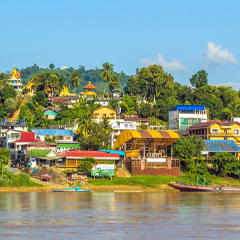
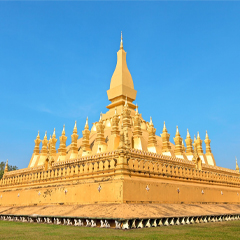
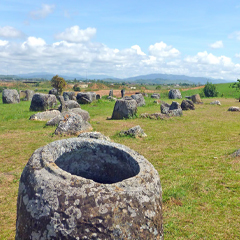
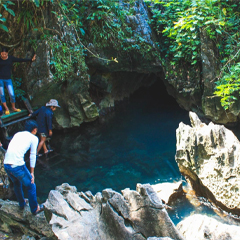
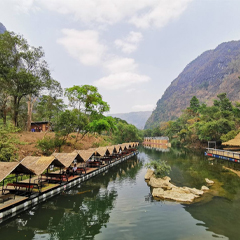
Laos offers a serene and spiritual experience for travelers. The food is hearty, the atmosphere is blissful and the culture is rich. You can explore the diverse attractions of Laos, such as temples, caves, forests, waterfalls, mountains, and adventure sports. The country has a rugged landscape that hosts about 49 ethnic groups.[incredible_toc] Laos has a tropical climate all year round, so you can visit it anytime. But if you want to enjoy a river cruise, you should go between November – January, when the water levels are high. These are some of the amazing places to see in Laos on your journey. 1. Luang Prabang One of the most popular tourist spots in Laos, Luang Prabang is a treasure trove of temples, a palace museum, souvenir shops, and diverse restaurants. Visitors can leisurely tour the city on a rented bicycle and marvel at the many eateries housed in French colonial buildings. The city also boasts museums showcasing the rich tribal cultures of Northern Laos. At the heart of Luang Prabang sits a hill offering breathtaking views of the Mekong River. Don't miss the vibrant night markets, perfect for enjoying sticky rice under the starlit sky. Luang Prabang Old Town 2. Vang Vieng Vang Vieng is known as the lively center of Laos, and no trip to Laos is complete without a visit. Previously infamous for its wild party scene and excessive drinking, the area has since been transformed following government intervention. Now, it offers a range of adventure activities such as rock climbing and river tubing. Despite its small size, Vang Vieng provides an action-packed vacation and is especially popular as one of the top places to visit in Laos in December. Don't miss the stunning Blue Lagoon, Tham Phu Kham (cave of golden crabs), and the picturesque Silver Lake. Nam Song River in Vang Vieng 3. Kuang Si Waterfall For those seeking the best places to visit in Laos for a honeymoon, look no further than Kuang Si Waterfall. While Laos boasts numerous beautiful waterfalls, Kuang Si Waterfall stands out for its turquoise water and stunning surroundings, creating a magical atmosphere with swarms of butterflies. It's an ideal spot for a refreshing swim, and locals even claim that the fish provide a natural foot treatment. Kuang Si Waterfall in Luang Prabang 4. Vientiane Vientiane, being the capital, is more urbanized and bustling compared to other parts of the country. It's a great destination if you're looking to take a break from nature and experience the urban environment for a few days. The city offers a good selection of restaurants serving Western cuisine, making it an excellent choice for food enthusiasts. While there aren't many attractions, don't miss the Patuxai War Monument and the Buddha Park. Vientiane - The capital of Laos 5. Nong Khiaw Nong Khiaw, like many other parts of Laos, is renowned for its stunning natural landscapes. This small town is just a short drive from Luang Prabang and offers a range of outdoor activities such as aerial adventures, boating, kayaking, mountain hikes, and visits to nature parks. Nong Khiaw 6. Plain of Jars Let's delve into a bit of history – the Plain of Jars contains remnants from the Stone Age, with stone containers weighing up to six tons. The locals have no knowledge of the origin of these structures, and the area can feel eerie after sunset. However, the views from this site are breathtaking, and the road leading to it is lined with tribal villages and other picturesque scenes. Plain of Jars 7. Tham Kong Lor Caves Also known as the Kong Lor Caves, this enigmatic cave is situated in Central Laos. The towering limestone formations, 300-foot-tall ceilings, and the Nam Hin Bun River flowing through the cave leave visitors feeling captivated. Access to the cave is by boat, but it's important to plan your visit when water levels are high. Tham Kong Lor Caves 8. Champasak Situated near the 4000 islands, Champasak is a tranquil town where internet connectivity is limited, but nature's beauty is abundant. The town comes alive during the Champasak festival, but on other days, it offers a serene and peaceful atmosphere. Visitors can enjoy stunning views of the Mekong River from various viewpoints, and there are plenty of accommodation options with river balconies along the riverside. Champasak 9. Thakhek Nestled in central Laos, Thakhek may not be packed with adventure activities, but it boasts numerous caves and tribal villages. Travelers often opt to explore the mountains and rivers by renting a motorbike. Must-see attractions include Tham Nang Aen, Tham Pa Fa (Buddha Cave), Tham Sa Pha In, Tham Xieng Liap, and Falang. Thakhek 10. Si Phan Don Also known as the 4000 islands, Si Phan Don is a cluster of small islands in Southern Laos. Some islands are submerged during the rainy season, while others are home to picturesque villages, forests, and mountains. Don Dhet is a popular island where visitors can unwind in the evenings with music and wine. Lucky travelers might even catch a glimpse of the snub-nosed dolphins from the island. Si Phan DonSo, if you plan a trip to Laos, don't miss out to consider these above-mentioned destinations. Contact Laos Travel Packages to create your trip with our travel consultants!
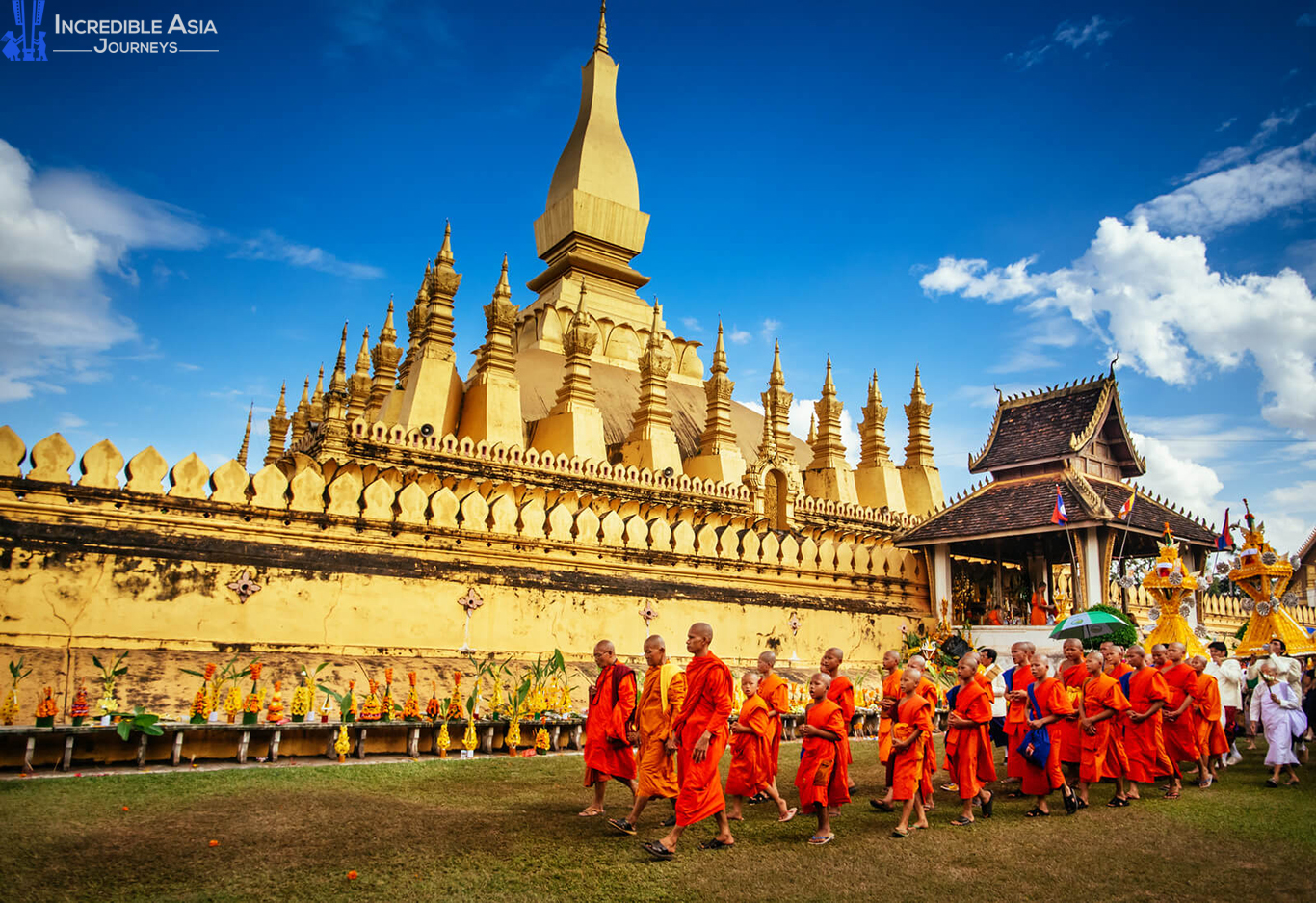
Laos has a colorful and varied climate throughout the year, with something to see and do in every season. You can visit Laos anytime, depending on your preferences. However, Laos has two main weather types: warm and rainy (May–October), and cold and dry (November–April). Generally, the most popular time to visit Laos is November–January. You will enjoy the pleasant weather and the many attractions available.[incredible_toc]1. Weather in LaosLaos has a simple tropical climate with two main seasons: warm and rainy from May–October (with August being the most humid and wet), and cool and dry from November–April. However, there are also regional variations, which can be summarized as the more south you travel, the warmer it gets. For instance, in January, during the peak of the dry season, the average maximum temperatures in Pakse and southern regions are 29°C, which falls to 27°C in Vientiane, and a mild 24°C in Luang Prabang.Moreover, the weather in some northeastern areas – such as Phongsali and Hua Phan (Sam Neua) – can be unexpectedly erratic, even in the hot season. You might experience one very hot day, followed by a cold, wet day – which can make you doubt if you’re still in southeast Asia.2. When is the monsoon in Laos?Laos has a monsoon season from May to October, with more rain in the north than the south. This doesn’t mean it pours all day – instead, there are brief showers that usually don’t last more than a few hours. But, even though the rain is not long-lasting, the wet weather can make travel hard, especially in rural areas. Also, the humidity is high during the monsoon. So, if you want to know the best time to visit Laos to dodge a daily soaking, plan your trip for the dry season, from November to April.3. When is the best month to visit Laos?December is perhaps the best month to visit Laos for perfect weather. The cool and nice conditions are great for both sightseeing, and various outdoor activities, such as hiking, biking, discovering caves, and river travel.3.1. Visiting Laos in Winter (From December-February)This is the best time to visit Laos for sightseeing, river travel, and exploring the countryside.Lowland Laos is best visited from December to February when the days are warm and pleasant, the nights are cool and crisp and the landscape is fresh and verdant after the rains. However, the temperatures drop significantly at higher altitudes, sometimes reaching freezing point. In December, the average temperatures in Vientiane and Luang Prabang are 27°C and 22°C, respectively, while in the south, such as Pakse, they rise to around 30°C.The water levels are high from the previous months’ rain, which is ideal for cruising along the Mekong River. For more adventurous water activities, there are plenty of options for whitewater rafting and kayaking on northern rivers, such as the Nam Ou and the Nam Xuang. The best places to start kayaking tours are Vientiane, Vang Vieng, Luang Prabang, and Luang Namtha. Also, don’t miss the stunning waterfalls of the southern highlands3.2. Visiting Laos in Spring (From March-May)Laos undergoes a big change from the start to the end of spring. Temperatures climb quickly, reaching a high point in April when the lowlands are scorching hot and humid, and the highlands are mostly just as hot, but slightly less damp – though some places, such as Paksong on the Bolaven Plateau, have a mild climate all year long. Temperatures usually stay around 36°C in Luang Prabang, a blistering 38°C in Vientiane, and a bit higher in Pakse.Water levels in rivers are at their lowest in April, making river travel hard. But May marks the beginning of the rainy season and Laos becomes both hot and humid. Trekking can be tough as trails become muddy, but trips to cultural sites are still possible – if you can handle the heat.However, the weather is not the only factor. Spring is probably the best time to visit Laos for its festivals, as two major ones start at this time. Laos New Year is in mid-April and is a big event on the calendar. Locals cleanse Buddha statues and splash water on each other – the water is considered lucky and also helps to cool down the recipient in the heat. Bun Bang Fai (Rocket Festival) comes next in May, which involves homemade rockets shooting into the sky, to convince the spirits to send the rain.3.3. Visiting Laos in Summer (From June-August)Laos is warm, moist, and muggy during the summer months, discouraging tourism. The rain damages the state of Laos’s unpaved roads, some of which become inaccessible and the monsoon limits some activities, especially those outdoors. However, rivers which may be too shallow to travel on at the end of the dry season become vital transport routes again, after rain increases water levels. Also, the dry landscape revives: rice fields turn a hue of green, and cascading waterfalls are enveloped by lush vegetation.It’s also important to mention that, even though most of Laos gets rain in June, it doesn’t usually last long, and the rain tends to lower the heat a bit – meaning you can still do some sightseeing.3.4. Visiting Laos in Autumn (From September - November)While it rains steadily for most of September, the end of the month brings clear, sunny weather again, with landscapes at their most scenic.By October, there’s only the occasional sprinkle of rain here and there and temperatures are around 30°C. As outdoor activities are possible again this is the best time to visit Laos to experience its many wonders before the crowds come back during peak tourist season. It’s also a great time to get a shoulder season deal.The river is the main attraction for October festivals. Boun Awk Phansa, the end of Buddhist Lent, features the enchanting display of Lai Heau Fai, (festival of lights), with Luang Prabang hosting especially festive celebrations. The town is lit up with lanterns and locals float huge candlelit paper boats down the Mekong.The largest boat racing festival on the calendar also happens at this time of year. Vientiane, on the Mekong River, is the best place, but river towns across Laos have their own races and festivities.November is not wet anymore but rivers are still full from the previous rain – time to cruise along the country’s waterways. Adventures outdoors, such as trekking, tubing, and swimming are very popular, and pleasant temperatures make sightseeing and temple-hopping – and exploring in general, very enjoyable.4. When to Go to Laos for Festivals?Laos festivals are a burst of color, where parades, games, music, and dancing are all joined by plenty of lào-láo (a strong rice alcohol). If you are in a town or village that is preparing for a festival, think about staying in the area for a while longer to join the festivities. In rural areas especially, a festival can turn a whole village into a crazy, week-long party.Because the Lao calendar is based on both solar and lunar cycles, the dates of festivals vary from year to year and, even just a few days before a parade or boat race, there is sometimes uncertainty over exactly when it will happen. For the local people, this is not a big issue, as the days before and after large festivals are also full of celebrations. Read our guide on Laos’s annual events to help you plan the best time to go to Laos.* Major festivalsThe Makkha Busa Buddist Holy Day (February): This marks a legendary sermon by the Buddha after 1250 of his disciples gathered around him spontaneously. It is celebrated under a full moon in February.Lao New Year (April): This is a nationwide celebration in mid-April, especially in Luang Prabang, where the town’s Buddha statue is washed ceremonially.Bun Bang Fai (rocket festival) (May): Homemade rockets are built from thick bamboo poles filled with gunpowder and launched into the air. The loud noise is meant to persuade the spirits to bring rain after months of dryness.Lai Heau Fai (festival of lights) (full moon in October): This is a festival of light. The festivities are very lively in Luang Prabang. Before the festival, residents make large floats and decorate them with lights.Boun Souang Heua (boat racing festival) (October): This is the biggest boat festival of the year. The main venue is the Mekong River at Vientiane, but other river towns have their races and celebrations.That Luang Festival (November): Before the full moon, the grand That Luang stupa in Vientiane looks like the focal point of a carnival, with street vendors setting up stalls around it. The week-long That Luang Festival starts with mass alms-giving to hundreds of monks.Bun Pha Wet Festival (December–January): Bun Pha Wet, which honors the Jataka tale of the Buddha’s penultimate incarnation as Pha Wet, or Prince Vessantara, happens at local monasteries on different dates in December or January. In bigger towns, there are live bands and dancing.
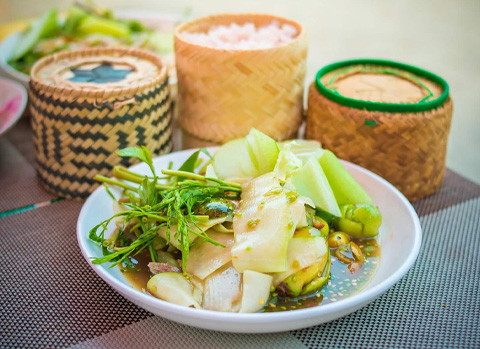
Laotian cuisine shares similarities with the flavours and ingredients found in Thailand and Vietnam, featuring fresh herbs, spices, noodles, and rice. Sticky rice, known as khao niaw, is a staple food in Laos. Traditionally steamed in a cone-shaped bamboo basket and then served in a covered basket, it is eaten by hand alongside spicy soups and meat-based dishes. Dining in Laos is a communal experience, with dishes shared among everyone at the table.[incredible_toc]In addition to local delicacies, Vientiane, the capital of Laos, offers a selection of excellent French restaurants and cafes, a legacy of the country's colonial past. If you're seeking authentic cuisine during your visit, be sure to explore this list of must-try foods in Laos.1. Kaipen (Fried Seaweed)Kaipen (or kai paen) is a Laotian delicacy made from freshwater green algae that grows in the Mekong river in northern Laos. The algae is washed, pressed into thin sheets, and sprinkled with garlic and sesame seeds, before being dried under the sun.The best way to enjoy kaipen is to fry the sheets until they are crunchy and dip them in Jaew Bong – a spicy sauce made with roasted chilli and buffalo skin.2. Khao Jee (Baguette)Khao Jee is a Laotian version of the Vietnamese banh mi – a baguette filled with lettuce, tomato, carrot, onion, moo yor (pork sausage), ham, and pâté or chilli sauce.This Laos street food is easy to find and affordable, as many vendors sell it on the road. Khao jee is a popular breakfast choice, paired with a cup of potent filtered coffee.3. Khao Poon (Spicy Noodle Soup)Khao poon is a Laotian dish that warms your soul, with rice vermicelli noodles in a hot soup. The soup is cooked for a long time with meat (chicken, fish, or pork) that is pounded, fish sauce, garlic, shallots, chillies, lime leaves, galangal, and perilla leaves.You can also add various toppings such as shredded cabbage, shallots, spring onion, coriander, mint leaves and string beans.4. Lao SausageSai gok (Lao sausage) is a tasty Laotian starter that goes well with sticky rice and fresh veggies. It’s usually made with minced pork meat and flavoured with lemongrass, galangal, kaffir leaves, shallots, cilantro, chillies, and fish sauce. You can see sai gok dangling on hooks at local markets and street vendors in Laos.5. Larb (Minced Meat Salad)Larb or laap is a meat-based salad that many regard as Laos’ national dish – it has a zesty flavour from mint leaves, chilli, fish sauce, and lime juice. You can find larb with pork or chicken in most restaurants, but you can also try it with minced beef, duck, or fish.Like most Laotian dishes, locals eat this salad with sticky rice and different side dishes.6. Laos PhoLaos pho is a beef noodle soup that comes from Vietnam but is also popular among the locals. It contains thin slices of beef, pork, or chicken, tripe, meatballs and sometimes organs (heart, liver, or tongue). You can have it with flat or thin rice noodles. Laos pho is usually garnished with chilli oil, lime juice, bean sprouts, long beans, holy basil, and cilantro.7. Or Lam (Lao Stew)Or lam is a thick and mildly spicy Lao stew that comes from Luang Prabang. It has beans, eggplant, lemongrass, basil, chillies, wood ear mushrooms, cilantro, and green onion.A special ingredient in this stew is mai sa kaan a vine that grows locally and is not really edible (you’re supposed to chew and spit it out). Or lam also has dried buffalo meat, beef, or chicken meat.8. Sien Savanh (Lao Beef Jerky)Sien savanh is a snack that goes well with Beerlao (lagers made by the Lao Brewery Company). It’s like beef jerky but made with beef flank steak (or water buffalo meat in some places) that’s marinated in garlic, fish sauce, ginger, sesame seed, sugar, salt and black pepper.The strips are then dried in the sun. Locals like sien savanh by grilling it over a charcoal stove for a smoky taste, before having it with sticky rice or jaew maak len (a chilli dip with tomato).9. Som Moo (Preserved Pork Sausage)Som moo is a Laos appetiser made from chopped, fermented raw pork – with the rump and skin – wrapped in green leaves. The meat has fresh chillies in it, which makes it spicy.You can have it raw or grilled, but the locals like the raw one better. Have Som Moo with raw cabbage leaves and string beans, which make it less sour.10. Tam Mak Hoong (Papaya Salad)Tam mak hoong is a Lao papaya salad that is like Thailand’s som tam – green papaya, garlic, tomatoes, chilli, palm sugar, lime juice and fish sauce are mixed in a mortar. This salad skips peanuts but adds fermented fish sauce and shrimp paste as the key ingredients. It can be too spicy for some, but you can make it milder by having tam mak hoong with sticky rice.
Our team of experienced tour specialists have decades of first-hand travel experience to share. Contact us now to have all of your tour-related questions answered!